




Perimenopause Advice for Husbands: 7 Dos and Don’ts for Men

Reviewed By
Danica Mitchell, Sex Therapist
 Review Board Member
|
By
Sex Therapist
Review Board MemberDanica is dedicated to helping couples and individuals in NY & NJ, navigate complex aspects of their relationships. Her approach is grounded in Cognitive Behavioral Therapy,... Read More
Kaida Hollister, Author

Passionate relationship writer, Kaida Hollister, renowned for insightful and engaging writing on love, human connection, psychology, and personal growth.
Learn about Our Editorial Process
100 Reads
Updated: 16 Dec, 2025
Unlock Daily 30-Sec Tips for a Happier Relationship
👉 Subscribe FREEKey Takeaways
Marriage.com AI Quick Summary
Some days she feels like herself; other days, everything feels louder, heavier, harder… and neither of you can quite explain why. Hormones shift quietly during perimenopause, but their effects ripple through moods, sleep, intimacy, and patience. As a husband, it can be confusing, even lonely at times.
Do you speak up or stay quiet?
Offer solutions or simply listen?
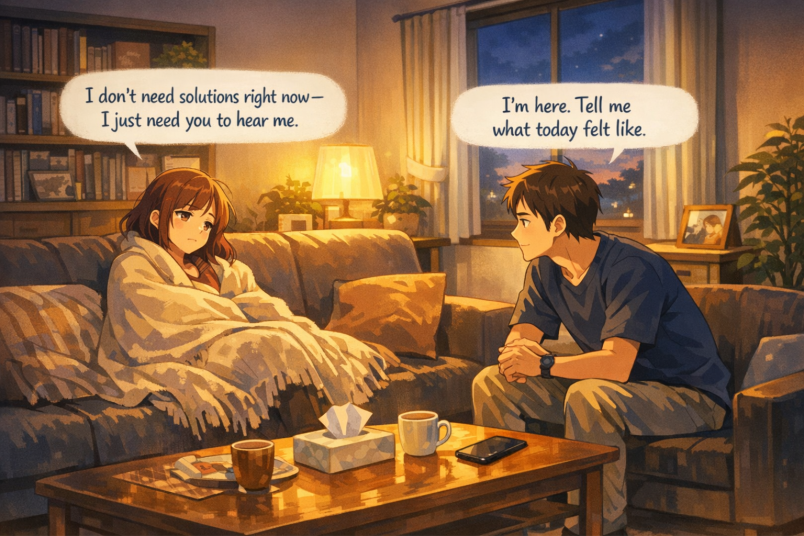
Support during this phase is less about fixing and more about showing up with steadiness, curiosity, and kindness. Small reactions matter, so do offhand comments, tone, and timing.
Did you know that nearly 75% of women experience perimenopause symptoms, ranging from mild to severe, impacting not just their lives but also those of their partners?
Perimenopause advice for husbands often begins with awareness, but it grows through empathy, flexibility, and restraint. When you learn what helps and what hurts, everyday moments feel safer again, for both of you.
What is perimenopause?
Perimenopause, the transition to menopause, is a significant phase in a woman’s life characterized by changes in menstrual cycles and hormone levels. It’s a period of transition from the reproductive years to the final menstrual period (FMP).
A study discusses how this condition is sufficiently bothersome to drive almost 90% of women to seek out their healthcare provider for advice on how to cope.
During perimenopause, women often experience a range of symptoms such as hot flashes, poor sleep, adverse mood, and vaginal dryness. This phase can have profound effects on personal well-being, affecting not just physical health but also emotional and relational dynamics.
For husbands, understanding perimenopause is crucial, as it can lead to marriage problems. Being informed and supportive during this time can greatly assist in managing these challenges, and perimenopause advice for husbands can play a pivotal role in navigating this transition smoothly together.
RELATED READING : Will Your Marriage Survive Menopause? 5 Tips to Help
What do husbands need to know about menopause?
The complexities of perimenopause can be challenging not just for women but also for their husbands. It’s a time of significant change, calling for understanding, patience, and support from partners.
Before your partner complains about “What I wish my husband knew about menopause,” here are 7 important facts that provide perimenopause advice for husbands, aimed at helping them understand what their wives are going through and how they can help make this transition easier.
These insights are crucial for husbands seeking to know how to survive perimenopause alongside their partners and resonate with what many women wish their husbands knew about menopause.
1. Menopause is a natural life stage
Menopause marks the end of a woman’s reproductive years, typically occurring around age 51. It’s a natural transition, not a disease, characterized by the ovaries ceasing hormone production. Husbands should understand this as a normal life stage, not an abnormality or illness.
2. Symptoms are diverse and affect well-being
Menopause can bring diverse symptoms like hot flashes, night sweats, mood changes, and vaginal dryness. These symptoms can significantly affect a woman’s physical and emotional well-being. Understanding and empathizing with these changes is key perimenopause advice for husbands.
3. Emotional support is vital
During menopause, women often experience mood swings and irritability due to hormonal changes. It’s crucial for husbands to provide emotional support and understand that these feelings are not personal, but rather a natural part of the menopausal transition.
RELATED READING : 15 Ways to Improve Emotional Support in Your Relationship
4. Physical intimacy may change
Menopause can lead to changes in sexual desire and comfort due to vaginal dryness and hormonal shifts. It’s important for husbands to be patient and understanding, exploring other forms of intimacy and connection during this time.
5. Communication is key
Open and honest communication is essential in managing the mood swings that accompany perimenopause together. Husbands should encourage their partners to express their feelings and needs and be willing to listen and respond with empathy and understanding.
6. Lifestyle adjustments can help
Making lifestyle changes, such as ensuring a cool sleeping environment, adopting a healthy diet, and engaging in regular exercise, can help manage menopausal symptoms. Husbands can support these changes by participating in or facilitating these lifestyle adjustments.
7. Professional help may be beneficial
Sometimes, the challenges of menopause can be overwhelming, and professional help from a therapist or counselor can be beneficial. Husbands should encourage and support their partners in seeking such help if needed.
Perimenopause advice for husbands: 7 Dos and 7 Don’ts
The perimenopausal period can be a rough journey for both women and their partners. For husbands seeking to support their wives, understanding the dos and don’ts is crucial.
This guide offers perimenopause advice for husbands, outlining practical ways to be supportive and sensitive to their partner’s needs during this transitional phase.
-
The dos
Before focusing on what to avoid, it helps to ground yourself in what truly supports her. These small, steady actions can build trust, reduce tension, and make emotional shifts feel less isolating. Thoughtfulness, patience, and consistency go a long way here… especially on the hard days.
1. Do: Educate yourself about perimenopause
Gain knowledge about perimenopause to understand better what your partner is experiencing. This awareness is a fundamental part of perimenopause advice for husbands.
Sex therapist Danica Mitchell says,
It’s important to remember that while educating yourself can be helpful, use it as a guide. Your partner will have their own unique experience and may have some symptoms that differ from others.
It helps in empathizing with her physical and emotional changes and equips you to provide more effective support.
Here’s what you can do:
- Read trusted articles or books, then focus on patterns that seem relevant to her experience
- Ask gentle questions, such as, “Does this match how you’ve been feeling?”
- Avoid correcting her with facts; let knowledge support empathy, not override it
2. Do: Be patient and understanding
Recognize that mood swings and emotional upheavals are common during perimenopause. Be patient and understanding, acknowledging that these changes are often driven by hormonal fluctuations and not personal choices or behaviors.
Here’s what you can do:
- Pause before reacting, especially during emotionally charged moments
- Remind yourself quietly, “This isn’t about me,” when tension rises
- Offer calm reassurance instead of explanations or defenses
RELATED READING : 15 Ways to Have More Patience in a Relationship
3. Do: Offer emotional support
Provide a listening ear and be a source of emotional support. Sometimes, simply being there to listen and validate her feelings can be the most reassuring action you can take as part of the menopause tips for husbands.
Here’s what you can do:
- Listen without interrupting or trying to fix the problem
- Reflect back what you hear, such as, “That sounds exhausting”
- Ask if she wants comfort, solutions, or just space to vent
4. Do: Help with daily tasks
Alleviate stress by helping with daily chores and responsibilities. This practical support can be particularly appreciated during times when she may be feeling overwhelmed or fatigued due to perimenopausal symptoms.
Here’s what you can do:
- Take initiative instead of waiting to be asked
- Handle one or two recurring tasks consistently
- Notice low-energy days and quietly step in more
5. Do: Encourage healthy lifestyle changes
Support her in maintaining a healthy lifestyle, which can help manage perimenopausal symptoms. This includes maintaining a balanced diet, engaging in regular exercise, and getting sufficient sleep, all of which are beneficial in navigating perimenopause.
Here’s what you can do:
- Join her in walks, workouts, or meal planning when possible
- Keep encouragement gentle, not corrective or pushy
- Support rest by protecting downtime and sleep routines
6. Do: maintain open communication
Keep the lines of communication open. Discuss her needs, your concerns, and how you can navigate this phase together. Open dialogue is a key aspect of perimenopause advice for husbands.
Here’s what you can do:
- Check in regularly with simple, open-ended conversations
- Share your feelings calmly instead of bottling them up
- Revisit conversations as needs change over time
7. Do: Seek professional advice if needed
Don’t hesitate to seek professional advice or counseling if you or your partner are struggling to cope. Sometimes, external support from a therapist or medical professional can provide valuable guidance and strategies.
Here’s what you can do:
-
- Normalize professional help as support, not a last resort
- Offer to attend appointments or counseling together
- Respect her pace while keeping options gently available
-
The don’ts
Even with good intentions, certain reactions can unintentionally add stress or distance. These moments often arise from habit, discomfort, or a lack of knowledge on what to say.
Being mindful of what to avoid can protect the connection and prevent small missteps from becoming larger hurts.
1. Don’t: Dismiss or minimize her experiences
Avoid dismissing or minimizing her feelings and experiences. Acknowledgment and validation of what she is going through are important for her emotional well-being.
- Note this: What feels small or manageable to you may feel overwhelming to her body and mind. Minimizing her experience can quietly erode trust and emotional safety over time.
2. Don’t: Take things personally
Understand that mood swings or irritability are not directed at you personally but are symptoms of hormonal changes. Remembering this can prevent misunderstandings and conflicts.
- Note this: Reacting defensively often escalates tension unnecessarily. Pausing, regulating your own emotions, and separating her symptoms from your sense of self can protect the connection.
3. Don’t: Ignore her needs
Be attentive to her needs, which may change during this period. Ignoring these can lead to feelings of neglect and isolation, exacerbating the challenges of perimenopause.
- Note this: Needs during perimenopause are not static. What worked before may no longer be applicable, and staying curious instead of assuming can help prevent emotional disconnection.
Dr. Gabor Mate talks about how love does not mean ignoring your own needs. Watch the eye-opening video:

4. Don’t: Overlook the impact on your relationship
Be aware that perimenopause can affect your relationship dynamics. Neglecting to address these changes can lead to further complications and misunderstandings.
- Note this: Unspoken changes often create silent distance. Acknowledging that this phase affects both of you allows for space to adjust, rather than resentment building quietly.
5. Don’t: Hesitate to show affection
Continue to show affection and reassurance. Physical closeness, even simple gestures like holding hands or hugs, can be comforting during times of emotional upheaval.
- Note this: Affection does not always mean sexual intimacy. Gentle, pressure-free closeness can reinforce safety and connection when her body or emotions feel unpredictable.
RELATED READING : 17 Heartfelt Ways to Show Affection in a Relationship
6. Don’t: Be inflexible with plans and activities
Be flexible and understand that plans may need to change due to how she is feeling. Adaptability is key during this transitional period.
- Note this: Rigidity can unintentionally communicate a lack of care. Flexibility shows respect for her changing energy levels and helps reduce the guilt or pressure she may already feel.
7. Don’t: Forget to take care of yourself
While supporting your partner, don’t neglect your own well-being. Managing your own health and stress is crucial, enabling you to be a better support system.
- Note this: Self-care is not selfish. When you are emotionally regulated and rested, you respond with patience instead of frustration, which benefits both of you.
RELATED READING : Menopause and Sexless Marriage: Effects and How to Fix It
FAQs
Going through perimenopause is not just a biological journey but also an emotional one, impacting both personal well-being and relationships.
Many questions arise during this transitional phase, especially regarding its effects on intimacy, emotions, and marital dynamics. Let’s address some common queries to offer clarity and understanding.
-
Is communication essential for sustaining intimacy during perimenopause?
Absolutely. Communication is key to sustaining intimacy during perimenopause. Openly discussing feelings, changes, and needs can help partners understand and support each other better, maintaining a strong emotional connection.
-
Can perimenopause affect your marriage?
Yes, perimenopause can affect marriages, primarily due to emotional and physical changes. Understanding and empathy from both partners are crucial in adapting to these changes and maintaining a healthy relationship.
Danica points out,
It can be helpful to remember that perimenopause is temporary, and there is no need for it to have lasting negative impacts on your marriage.
-
Why am I so angry during perimenopause?
Anger during perimenopause is often due to hormonal fluctuations leading to mood swings. These changes can trigger irritability and frustration, making it important to find coping mechanisms and seek support when needed.
-
What is the average age of perimenopause?
The average age of perimenopause onset is typically in the late 40s, but it can vary. It’s the transitional period leading up to menopause, which usually occurs around age 51.
-
Is perimenopause at 47 normal?
Yes, experiencing perimenopause at 47 is normal. It’s within the common age range for perimenopause to begin, as the body starts transitioning towards menopause.
Navigating together
Perimenopause can feel uncertain, emotional, and surprisingly lonely for both partners. There will be days when patience comes easily, and others when it doesn’t… that’s human. What matters most is showing up with steadiness, curiosity, and care, even when you don’t have the right words.
Small gestures, thoughtful pauses, and a willingness to adjust can soften difficult moments. Perimenopause advice for husbands isn’t about being perfect; it’s about being present, open, and respectful of change. When support feels consistent and compassionate, the relationship doesn’t weaken… it adapts, deepens, and grows stronger together.
Did you find this article helpful?

 Tips
Tips
Write your tip or submit a video tip
All tips are reviewed before the publishing.
You are:

 >
>
Share this article on
Kaida Hollister
Author
Kaida Hollister is a passionate relationship writer, renowned for her ability to shed light on the intricacies of love and human connection. With a deep understanding of psychology and personal growth, she has become known for her... Read more insightful and engaging writing on these subjects. When she’s not busy crafting thought-provoking articles, Kaida can often be found pursuing her love of dance. She is also an avid foodie and enjoys exploring new flavors and cuisines. With a curious and open-minded approach to life, Kaida is committed to helping readers deepen their understanding of themselves and their relationships. Read less
Want to have a happier, healthier marriage?
If you feel disconnected or frustrated about the state of your marriage but want to avoid separation and/or divorce, the marriage.com course meant for married couples is an excellent resource to help you overcome the most challenging aspects of being married.


Recent Articles


Related Quizzes








Unlock Daily 30-Sec Tips for a Happier, Healthier Relationship
👉 Subscribe FREE on YouTube
 We'd love your feedback!
 Thanks for your feedback!
 Expert Q&A
Ask your question related to this topic & get the support you deserve from experts.