




How to Deal With a Victim Complex: 15 Tips

By
Noah Williams, Author
Noah Williams is a passionate writer focusing on matters of the heart and mind. He emphasizes the importance of honesty, communication, and self-love for relationships.
Learn about Our Editorial Process
100 Reads
Updated: 16 Dec, 2025

Unlock Daily 30-Sec Tips for a Happier Relationship
👉 Subscribe FREEKey Takeaways
Marriage.com AI Quick Summary
Feeling stuck in the same painful patterns can be exhausting… especially when life starts to feel unfair, overwhelming, or constantly out of your control. A victim complex often grows quietly, shaped by past hurt, unmet needs, and repeated disappointments.
It can influence how you see yourself, others, and even everyday situations, sometimes without you realizing it. You may feel unheard, blamed, or powerless, even when support is nearby. Understanding these emotional loops with compassion—not judgment—can be deeply grounding.
Learning how to deal with a victim complex begins with gentle awareness, emotional honesty, and small mindset shifts that restore a sense of choice, strength, and self-trust over time… one moment at a time!
What is a victim complex in a relationship
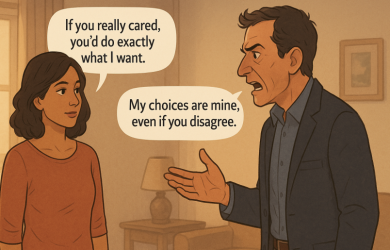
A victim complex in a relationship is when one partner consistently feels powerless, blamed, or wronged, even during normal disagreements. They may avoid responsibility, expect constant validation, or believe their partner is always the cause of their pain, creating emotional imbalance over time.
A research paper published in 2020 states that some people develop a stable victimhood trait, making them feel wronged in relationships, increasing blame, emotional distress, and conflict across interpersonal interactions.
Example: If a couple argues about communication and one partner responds with, “You always hurt me, no matter what I do,” they may shut down dialogue. Instead of solving the issue, the focus shifts to suffering, reinforcing a victim mentality in relationships.
Please note:
If this feels familiar, take a breath… it doesn’t mean you’re broken or beyond help. Learning how to deal with a victim complex is possible with self-awareness, compassion, and support, and many relationships grow stronger once these patterns are gently addressed.
RELATED READING : How to Recognize and Deal With Victim Mentality
5 signs of a victim complex in a relationship
A victim complex in marriage can quietly shape how conflicts unfold, how emotions are expressed, and how responsibility is shared. It often isn’t intentional or manipulative; many people develop it as a coping response to past hurt.
Recognizing the signs early can prevent long-term emotional strain and help both partners communicate more honestly and fairly.
1. Constantly blaming the partner
A person with a victim complex often believes their partner is always at fault, regardless of the situation. They may struggle to reflect on their own role in conflicts.
A research paper published in PubMed Central states that feeling like a victim is linked to negative thinking patterns, emotional distress, and poorer social relationships, especially when people blame others instead of coping actively.
This pattern blocks healthy problem-solving and creates emotional distance. Over time, blame replaces collaboration. Trust and mutual respect slowly erode.
- Example: “I’m upset because you made me feel this way,” even when both contributed to the issue.
2. Feeling powerless in every conflict
They may act as if they have no control or choice in the relationship. Even small disagreements are framed as personal attacks or unfair treatment. This mindset reinforces helplessness and avoids accountability. It can exhaust the other partner emotionally.
- Example: “There’s nothing I can do, you always decide everything anyway.”
3. Seeking constant validation and reassurance
People with a victim complex often need frequent emotional reassurance to feel secure. They may interpret neutral behavior as rejection or neglect. This creates pressure on their partner to “prove” care repeatedly. Over time, reassurance never feels like enough.
- Example: Repeatedly asking, “Do you even care about me anymore?”
RELATED READING : What Is Emotional Validation & Its Importance in Relationships?
4. Resisting solutions but focusing on pain

They may share their hurt but reject practical solutions. Advice or compromise can feel invalidating to them. The focus stays on suffering rather than resolution. This keeps conflicts stuck in a loop.
- Example: Saying, “You don’t understand how hurt I am,” when solutions are suggested.
5. Rewriting events to stay with the victim
They may remember conflicts in ways that highlight only how they were wronged. Their partner’s feelings or intentions are minimized or ignored. This reinforces a victim mentality in relationships and deepens resentment. Honest dialogue becomes difficult.
- Example: Retelling an argument while leaving out their own harsh words.
How to deal with a victim complex: 15 tips
A victim complex can quietly affect how you see yourself, your partner, and everyday situations. It often comes from real emotional pain, but staying stuck in it can damage communication, trust, and self-growth.
These tips of how to deal with a victim complex focus on practical, compassionate ways to regain balance and emotional agency without shame or self-blame.
1. Acknowledge your feelings without labeling yourself
Start by recognizing that your pain is real, even if your reactions may not always be helpful. Avoid judging yourself as “weak” or “negative.” Naming emotions honestly reduces defensiveness. Awareness creates space for healthier responses.
- Example: “I feel hurt and overlooked, not attacked or powerless.”
RELATED READING : 7 Practical Ways for Enhancing Self-Awareness and Practicing It
2. Take responsibility for your part
Responsibility doesn’t mean self-blame. It means noticing how your reactions affect situations. This builds emotional maturity and fairness. Owning your role restores a sense of control.
- Example: “I shut down during arguments, which escalates things.”
3. Separate intent from impact
Not every hurtful moment is intentional. Assuming malicious intent fuels resentment. Pause before assigning motives. This shift softens emotional intensity.
- Example: “They forgot, not because they don’t care, but because they were overwhelmed.”
4. Challenge all-or-nothing thinking
Victim thinking often uses extremes like “always” or “never.” These thoughts distort reality. Replace them with balanced perspectives. This reduces emotional overwhelm.
- Example: “We disagree sometimes, not all the time.”
5. Express needs clearly, not through blame
Blame shuts conversations down. Needs open them up. Use calm, direct language. This increases the chance of being heard.
- Example: “I need reassurance,” instead of “You never support me.”
6. Build emotional self-soothing skills
Depending entirely on others for emotional regulation creates imbalance. Learn grounding techniques. This strengthens independence and resilience.
- Example: Taking deep breaths before responding during conflict.
7. Stop retelling the same hurt story
Replaying past pain reinforces helplessness. Reflection should lead to insight, not repetition. Ask what can be learned. Then let go.
- Example: Journaling lessons instead of replaying arguments.
8. Accept feedback without seeing it as an attack
Feedback isn’t rejection. It’s information. Listening openly builds trust. Defensiveness keeps patterns stuck.
- Example: “I’ll think about what you said,” instead of shutting down.
RELATED READING : The Importance of Art of Listening in a Relationship
9. Practice empathy toward your partner
Understanding doesn’t erase your pain. It broadens perspective. Empathy reduces emotional polarization. Relationships thrive on mutual understanding.
- Example: Acknowledging your partner’s stress during disagreements.
10. Focus on solutions, not suffering
Pain deserves recognition, but staying there blocks growth. Shift toward problem-solving. This restores agency.
- Example: Asking, “What can we do differently next time?”
11. Strengthen your sense of personal agency
Remind yourself that you have choices. Even small decisions matter. Agency reduces helplessness. Confidence grows with practice.
- Example: Choosing how and when to address issues.
12. Notice patterns, not isolated moments
One conflict doesn’t define a relationship. Patterns provide clarity. This prevents emotional overreaction.
- Example: Looking at recurring issues instead of one argument.
RELATED READING : Is It Healthy to Argue in a Relationship? When It Is & Isn’t
13. Set healthy emotional boundaries
Boundaries protect both partners. They prevent emotional exhaustion. Clear limits encourage respect.
- Example: Pausing discussions when emotions run too high.
RELATED READING : Setting Healthy Boundaries in a Relationship
14. Seek support without outsourcing responsibility
Support should empower, not reinforce helplessness. Therapy or guidance helps build insight. Growth remains your responsibility.
- Example: Using therapy to learn skills, not assign blame.
Watch this TED Talk by Rachel Heslin, a psychology expert who shares a compassionate perspective on why feeling like a victim isn’t always something to dismiss and how acknowledging pain can be part of understanding ourselves and others.

15. Replace victim stories with growth narratives
Shift how you describe your experiences. Focus on resilience and learning. This rewires self-perception.
- Example: “I’m learning healthier communication,” instead of reliving victim complex examples.
FAQ
Thinking how to deal with a victim complex, can bring up confusion, guilt, or self-doubt. These FAQs address common concerns in a clear, supportive way, helping you gain clarity without judgment and take emotionally healthier steps forward.
-
Can a victim complex affect relationship communication?
Yes. It often leads to blame, defensiveness, and emotional shutdown, making honest and balanced communication difficult.
-
Is a victim complex the same as being a victim of abuse?
No. A victim complex is a mindset or pattern, while abuse involves real harm and requires support and safety.
-
Can someone change a victim complex on their own?
Yes. With self-awareness, reflection, and consistent effort, many people gradually shift these patterns without external intervention.
Reclaiming balance
Understanding how to deal with a victim complex isn’t about denying pain or forcing positivity; it’s about gently reclaiming your sense of agency. When you shift from blame to awareness, from helplessness to choice, relationships naturally become more balanced and respectful.
Small changes in how you think, communicate, and respond can create meaningful emotional growth over time. Be patient with yourself, stay open to learning, and remember that progress often comes in quiet moments of self-honesty.
With consistent effort, healthier patterns can replace old ones, allowing you to feel more grounded, empowered, and emotionally secure.
Did you find this article helpful?

 Tips
Tips
Write your tip or submit a video tip
All tips are reviewed before the publishing.
You are:

 >
>
Share this article on
Noah Williams
Author
Noah loves to write on matters of the heart and mind. His experiences have taught him that being an honest friend who communicates well and giving importance to self-love can go a long way in maintaining loving relationships. When... Read more he’s not writing or advising people on how to thrive in their relationships, he loves exploring new places with his partner, working out, and pretending that he’s good at cooking exotic stuff. Read less
Want to have a happier, healthier marriage?
If you feel disconnected or frustrated about the state of your marriage but want to avoid separation and/or divorce, the marriage.com course meant for married couples is an excellent resource to help you overcome the most challenging aspects of being married.


Recent Articles


Related Quizzes









Unlock Daily 30-Sec Tips for a Happier, Healthier Relationship
👉 Subscribe FREE on YouTube
 We'd love your feedback!
 Thanks for your feedback!
 Expert Q&A
Ask your question related to this topic & get the support you deserve from experts.