




7 Reasons You Feel Rejected by Your Husband in Pregnancy

 Reviewed By
Angela Welch, Marriage & Family Therapist
Review Board Member
|
By
Marriage & Family Therapist
Review Board MemberAngela Welch is a Licensed Marriage and Family Therapist and Licensed Chemical Dependency Counselor Intern from Valparaiso,IN. She earned her Master of Arts in Marriage and... Read More
Sylvia Smith, Author

Sylvia Smith shares insights on love revitalization and conscious living. She believes purposeful actions can transform relationships into happier, healthier ones.
Learn about Our Editorial Process
30.3k Reads
Updated: 11 Dec, 2025
Heal & Grow Daily for a Happier Relationship
Subscribe FREETable of Contents
View more
Key Takeaways
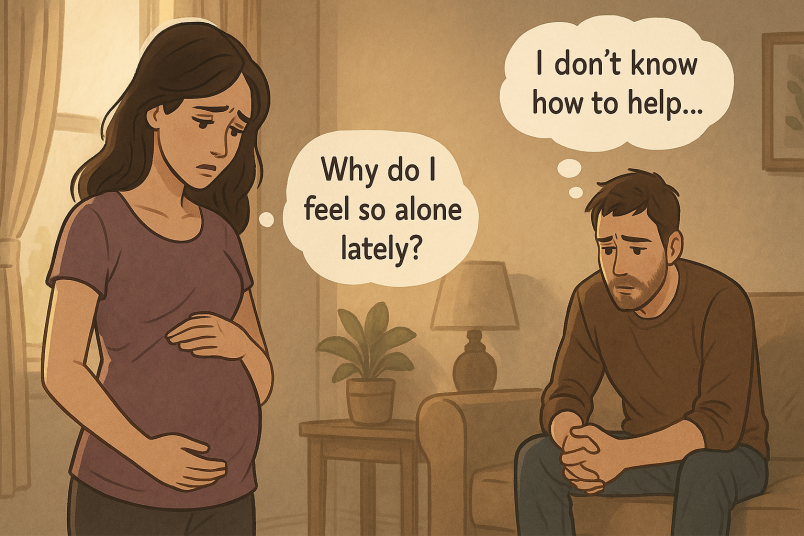
Pregnancy can be a beautiful chapter, yet it often brings unexpected emotions… especially when your partner’s behavior feels different. Shifts in communication, affection, or support can leave you confused, lonely, or even questioning yourself.
Many women quietly struggle with feeling rejected by husband during pregnancy, wondering why the distance suddenly appeared. These moments can stir worry, frustration, and sadness; they can also make you doubt your bond.
But the truth is, so much changes—physically, emotionally, and relationally—and those changes can create gaps neither of you intended. Understanding what’s happening beneath the surface can offer clarity, comfort, and a sense of hope.
Why do relationships fall apart during pregnancy?
During pregnancy, relationships can face challenges due to a combination of physical, emotional, and lifestyle changes. The expecting mother’s hormones can lead to mood swings and heightened emotions, impacting communication and understanding between partners.
A research paper published in 2009 states that when couples have their first child, their relationship quality — both positive and negative aspects — often drops suddenly after birth and remains lower for years.
The increased responsibilities and anxieties surrounding parenthood may also add stress to the relationship. Moreover, partners might experience feelings of neglect or disconnect as the focus shifts toward the impending arrival of the baby.
Example: A woman might crave more emotional closeness, while her partner becomes quieter out of worry about finances or new responsibilities. She interprets his silence as rejection, while he simply feels overwhelmed—leading to unintended conflict.
Please note:
If this is happening to you, take a breath. It doesn’t mean your relationship is failing. These challenges are common, temporary, and absolutely workable with honest communication and gentle understanding.
11 reasons why relationships fall apart during pregnancy
Pregnancy is a time of immense joy and anticipation, but it can also put significant strain on a relationship. The combination of hormonal changes, emotional upheaval, and increased responsibilities can create challenges that couples may struggle to navigate.
It’s important to understand these reasons why relationships fall apart during pregnancy to address them proactively and strengthen the bond between partners during this critical time.
1. Hormonal changes and mood swings
A common reason behind relationships falling apart while being pregnant is the obvious change in a woman’s hormonal levels.
Pregnancy triggers hormonal changes that can affect emotions, sometimes making it harder to maintain emotional stability.
Partners might find it challenging to cope with these abrupt shifts in behavior, which can lead to misunderstandings and tension in the relationship.
- What you can do: Talk openly about emotional ups and downs, take space when needed, and remind each other that mood swings are temporary and biologically normal.
2. Communication challenges
Effective communication is vital in any relationship, but it becomes especially crucial during pregnancy. The stress and excitement surrounding the impending arrival of a baby can make it difficult for partners to express their feelings clearly.
A research paper published in Pregnancy, Birth & Baby states that pregnancy can strain relationships, but open communication, shared responsibilities, and emotional support help couples stay connected and reduce misunderstandings during this period.
Miscommunication can lead to unresolved conflicts and pent-up emotions, ultimately driving a wedge between the couple.
- What you can do: Have calm check-in conversations, practice active listening, and clarify misunderstandings instead of assuming negative intent.
3. Fears and anxieties about parenthood
The thought of becoming parents can be both exhilarating and daunting. Couples may experience fears and anxieties about their abilities to care for the child, financial concerns, or how their roles might change after the baby’s arrival.
These worries can create tension in the relationship and may even lead to doubts about the future together.
- What you can do: Share fears honestly, plan together for parenting and finances, and seek support from professionals or loved ones when needed.
RELATED READING : 11 Common Signs of Parental Anxiety & How to Cope
4. Shift in priorities and attention
When you feel your relationship falling apart while you are pregnant, a shift in perspective can be a reason.
As the pregnancy progresses, the expecting mother’s focus naturally shifts toward the baby’s well-being. This change in priorities can sometimes make partners feeling rejected by husband during pregnancy
- What you can do: Make intentional time for each other, offer reassurance, and include your partner in decisions and preparations.
5. Physical intimacy challenges
A lot of couples sense their relationship falling apart while being pregnant, as their intimacy gets affected. Many women start feeling rejected by husband during pregnancy. They may suspect it to be one of the signs of an unsupportive husband during pregnancy.
Pregnancy can also bring physical changes that might impact a couple’s intimacy. Discomfort, hormonal imbalances, or concerns about the baby’s safety can decrease the frequency of physical intimacy, leading to frustration or feelings of rejection.
- What you can do: Discuss comfort levels, explore gentle forms of closeness like cuddling or massages, and speak with a doctor if either partner has concerns.
RELATED READING : 9 Signs of Physical Intimacy Issues That May Affect Your Marriage
6. Fatigue and stress

Pregnancy can be physically taxing, leading to increased fatigue and stress for the expecting mother. Partners might also experience stress due to additional responsibilities and preparing for the baby’s arrival.
The accumulation of stress can strain the relationship, causing irritability and emotional distance. All these ultimately lead to the relationship falling apart while pregnant.
- What you can do: Share tasks, prioritize rest, create a calmer routine, and support each other through overwhelming moments.
7. Unrealistic expectations
Expectations about pregnancy and parenthood can vary significantly between partners and can lead to feeling unhappy in a relationship while pregnant.
Unrealistic or unspoken expectations can lead to disappointment or feelings of inadequacy when reality doesn’t match these visions.
- What you can do: Discuss expectations early, adjust them realistically, and remind each other that there is no “perfect” way to go through pregnancy or parenting.
RELATED READING : 10 Sure Signs to Tackle Unrealistic Expectations in Relationships
8. Feeling emotionally unsupported
Pregnancy can heighten emotional needs, and when a partner seems distant or unavailable, it can create a sense of loneliness or emotional disconnect. This gap often leads to frustration or the belief that the relationship is weakening.
- What you can do: Tell your partner the specific kind of support you need—comfort, reassurance, or help with tasks—and encourage them to share their needs too.
9. Financial pressure and lifestyle changes
The upcoming expenses of raising a baby can lead to financial stress. Partners may respond differently—one might become more cautious or withdrawn, while the other may feel overwhelmed or insecure. These reactions can cause conflict and emotional strain.
- What you can do: Create a simple budget together, discuss financial fears openly, and break planning into small, manageable steps.
RELATED READING : 10 Ways to Prepare Your Family’s Finances Before Baby Arrives
10. Overinvolvement or pressure from family
Pregnancy often brings increased involvement from relatives, which may unintentionally create interference, conflicting opinions, or added pressure on the couple. This can lead to disagreements or a feeling of being “caught in the middle.”
- What you can do: Set healthy boundaries together, communicate as a team, and make decisions based on what works best for your relationship.
11. Identity shifts and loss of personal space
Both partners may feel their identity changing—new roles, responsibilities, and priorities can make them feel unsure of who they are or what their life will look like. This emotional adjustment can create internal conflict that spills into the relationship.
- What you can do: Encourage personal time for hobbies, rest, or reflection; reassure each other that change is natural and doesn’t erase your individuality.
How to avoid relationship fallout during pregnancy: 5 ways
Pregnancy brings big emotional and physical changes, and without care, these shifts can create distance between partners.
Even moments of feeling rejected by husband during pregnancy can be eased with understanding, communication, and small daily efforts that strengthen the connection and prevent unnecessary relationship fallout.
1. Talk openly about your feelings
Honest communication makes pregnancy challenges easier to handle. Share what’s stressing you, what you need, and what feels overwhelming. This can prevent misunderstandings and help your partner offer better support. It also creates emotional closeness, especially if you’ve been feeling rejected by husband during pregnancy.
- Quick tip: Use “I feel…” statements to avoid sounding blaming.
RELATED READING : 12 Key Tips to Promote Open Communication in a Relationship
2. Make time for a small daily connection
Staying emotionally close doesn’t always require long conversations; simple daily check-ins work wonders. A hug, a short walk, or a shared meal can rebuild warmth. These small gestures remind you both that you’re on the same team. They also reduce the chances of feeling distant or misunderstood.
- Quick tip: Set aside 10 minutes a day just to connect—no phones, no distractions.
3. Share responsibilities to reduce stress
Pregnancy can feel overwhelming when one partner carries most of the load. Dividing tasks—whether it’s errands, appointments, or baby prep—lightens emotional and physical stress. It prevents resentment and helps both partners feel supported. Sharing responsibilities also strengthens trust and teamwork.
- Quick tip: Make a simple weekly task list and split it fairly.
4. Set healthy boundaries with family
Family may offer opinions or try to get overly involved, which can create added pressure. Setting gentle but firm boundaries protects your relationship from outside stress. It ensures decisions come from you both—not others. When couples stand united, conflicts reduce, and confidence grows.
- Quick tip: Use “We’ve decided…” when communicating boundaries to relatives.
Watch this TED Talk by Dr. Senem Eren, a clinical psychologist, who shares how setting healthy boundaries protects well-being, reduces stress, and strengthens relationships.

5. Reassure each other frequently
Pregnancy brings big changes, and reassurance becomes essential. Simple words like “I’m here,” “We’re okay,” or “You’re doing great” strengthen emotional stability. This is especially important if one partner feels insecure or rejected by husband during pregnancy. Consistent reassurance builds safety, trust, and connection.
- Quick tip: End each day by sharing one thing you appreciate about each other
FAQ
A relationship falling apart during pregnancy is a common concern, but we need to hold our ground and seek the right support.
Remember that pregnancy is a transformative journey for couples, and it’s natural to encounter relationship challenges during this time. Let’s address some common questions with an easy-to-understand and empathetic approach.
-
Is it normal to have relationship problems during pregnancy?
Yes, it’s normal to experience relationship problems in pregnancy. Hormonal changes and emotions can lead to misunderstandings and stress. Open communication and support can help couples navigate through these challenges together.
-
Do couples separate during pregnancy?
While some couples may face difficulties during pregnancy, not all are separate. It depends on how partners handle the changes and support each other. Seeking help and working together can strengthen the relationship through this period.
-
How do you maintain a relationship when pregnant?
Maintaining a relationship during pregnancy involves understanding and empathy. Communicate openly about feelings, fears, and expectations. Offer emotional support and cherish your bond, even amid physical and emotional changes.
Rebuilding emotional closeness
Feeling rejected by husband during pregnancy can be heartbreaking, but it doesn’t mean your relationship is falling apart. Pregnancy brings massive emotional, physical, and lifestyle changes that can confuse both partners.
With gentle communication, shared effort, and consistent reassurance, it’s absolutely possible to reconnect and strengthen your bond. Remember, most of these challenges are temporary and rooted in stress—not a lack of love.
By approaching each other with patience and understanding, you can grow even closer through this transition and enter parenthood as a stronger, more united team.
Helpful?
Continue exploring this topic

Marriage.com AI: Your Relationship Guide
Talk through what's on your mind.
Automated
YOU COULD START WITH
Share this article on
Sylvia Smith
Author
Sylvia Smith loves to share insights on how couples can revitalize their love lives in and out of the bedroom. As a writer at Marriage.com, she is a big believer in living consciously and encourages couples to adopt this principle... Read more in their lives too. Sylvia believes that every couple can transform their relationship into a happier, healthier one by taking purposeful and wholehearted action. Read less

Marriage.com Community
Real people. Real relationships. No judgment.
I’m pregnant and feel emotional and disconnected from my partner. Is this normal or a red flag?
Have you navigated this in your own relationship?
Your perspective could help thousands of couples.
See what people are saying
Your perspective could help thousands of couples.










 We'd love your feedback!
 Thanks for your feedback!