




How to Be Submissive in a Relationship: 21 Practical Ways

Reviewed By
Christiana Njoku, LPC
 Review Board Member
|
By
Licensed Professional Counselor
Review Board MemberChristiana Njoku is a certified relationship coach and marriage mentor from the prestigious Institute for Marriage and Family Affairs in Stafford, USA. A seasoned relationship... Read More
Sylvia Smith, Author

Sylvia Smith shares insights on love revitalization and conscious living. She believes purposeful actions can transform relationships into happier, healthier ones.
Learn about Our Editorial Process
20.7k Reads
Updated: 6 May, 2026
Heal & Grow Daily for a Happier Relationship
Subscribe FREETable of Contents
View more
Key Takeaways
Marriage.com AI Quick Summary
Somewhere along the way, “submissive” became a loaded word. People hear it and immediately picture weakness, or worse, someone who has quietly given up on themselves. But that’s not really what it means… not in a healthy relationship, anyway.
True submission is a choice, a deeply intentional one. It’s about trust, softness, and knowing when to lead with your heart instead of your ego.
Whether you’re curious about how to be submissive in a relationship or simply want to bring more harmony into your everyday dynamic, the answer usually starts with the same thing: understanding yourself first.
It’s not about shrinking. It’s about choosing peace, connection, and a love that actually feels safe!
What Is the Meaning of ‘Submissive’ in a Relationship?
So first things first, what is submission in a relationship?
Being submissive in a relationship means willingly giving power or control to your partner, respecting their decisions, and valuing their needs and desires.
It’s like being a team player, where both partners support and uplift each other.
For example, imagine you and your partner are planning a vacation. You listen to their preferences, consider their ideas, and work together to choose a destination that makes both of you happy.
It is worth noting that dominance and submission in relationships are not simply inherited patterns.
Mina, Abdel Gawad, and Soliman, in research conducted at a University, studied 53 college students and found that neither parental dominance nor authoritarian parenting predicted dominance levels in the romantic relationships of students.
How a person navigates power in a relationship, in other words, appears to be shaped by individual choice and relational context rather than simply passed down from what they observed growing up. That finding is quietly reassuring: the dynamic you build with your partner is genuinely yours to define.
What Are the Signs of Submissiveness in a Relationship?
In a relationship, being submissive refers to a dynamic where one partner willingly yields to the other, encouraging a sense of harmony and balance. While every relationship is unique, there are some common signs that indicate a submissive nature.
Here are 9 major signs of a submissive in a relationship:
- Willingness to compromise: Submissives are open to finding a middle ground and prioritizing their partner’s needs.
- Active listening: They pay close attention to their partner’s thoughts and feelings, showing empathy and understanding.
- Respectful behavior: Submissives value their partner’s opinions and treat them with kindness, courtesy, and respect.
- Desire to please: They genuinely want to make their partner happy, often going the extra mile to fulfill their wishes.
- Trust in their partner’s judgment: Submissives trust their partner’s decisions and respect their leadership.
- Supportive nature: They offer unwavering support, cheering on their partner’s goals and dreams.
- Adaptability: Submissives are flexible and willing to adjust their plans or preferences to accommodate their partner’s wishes.
- Emotional availability: They create a safe space for their partner to express themselves and provide comfort and reassurance.
- Appreciation of dominance: Submissives find fulfillment in the strength and guidance provided by their dominant partner.
RELATED READING : 25+ Signs You’re in a Relationship With a Submissive Man
What Are the Benefits of Being Submissive in a Relationship?
While the concept of being submissive in a relationship may raise questions, it can bring several benefits to both partners involved. Being submissive doesn’t mean being weak or inferior; instead, it means choosing to foster harmony and balance.
Here are 5 key benefits of being submissive in a relationship:
- Enhanced trust and communication: Embracing submission promotes open and honest communication, fostering trust and a deeper connection.
- Increased emotional intimacy: Submissive partners often create a safe space for vulnerability, allowing for a stronger emotional bond.
- Mutual growth and self-improvement: By valuing their partner’s needs, submissives actively contribute to personal growth and self-improvement.
- Strengthened sense of partnership: Being submissive encourages a cooperative mindset, reinforcing the idea that both partners are equal contributors in the relationship.
- Heightened pleasure and satisfaction: Surrendering control can lead to greater sexual exploration and satisfaction, deepening intimacy and pleasure for both partners.
How To Be Submissive In A Relationship: 21 Practical Ways
Now that we understand the real meaning of submission as a wife or husband, it’s time to put that understanding into practice.
These submissive partner tips aren’t about losing yourself; they’re about showing up with more intention, more grace, and more openness in your relationship. Let’s explore what that actually looks like, day to day.
1. Respect your partner
The one thing your partner needs from you is respect.
It doesn’t matter who earns more or who works more. Showing your partner the respect they deserve is a vital part of fulfilling your role as a spouse and a way of demonstrating your love.
Here’s an approach you can consider:
- Pause before reacting and choose a respectful tone, even during disagreements.
- Acknowledge their efforts out loud—small appreciation builds trust.
- Avoid dismissive language; validate their feelings even when you disagree.
RELATED READING : How to Respect Your Husband: 27 Ways
2. Communicate with each other
Another meaning of submission in a relationship is that you are open to communication.
Johnson and colleagues, publishing in Personality and Social Psychology Bulletin, followed couples across three longitudinal studies and found that the most robust link between communication and relationship satisfaction was the reduction of negative communication.
At times when couples experienced less negative communication than usual, they were also more satisfied with their relationship than was typical. The takeaway is that how you speak to each other in the difficult moments matters more than most couples realize.
The most common problem that couples face often stems from a lack of communication. You also have to remember that your voice shouldn’t be silenced. Being able to voice your opinion is your right, but do it with tact.
Here’s an approach you can consider:
- Set aside a few minutes daily to talk without distractions.
- Use “I feel…” statements instead of blame-based language.
- Clarify what you heard by repeating it back to your partner.
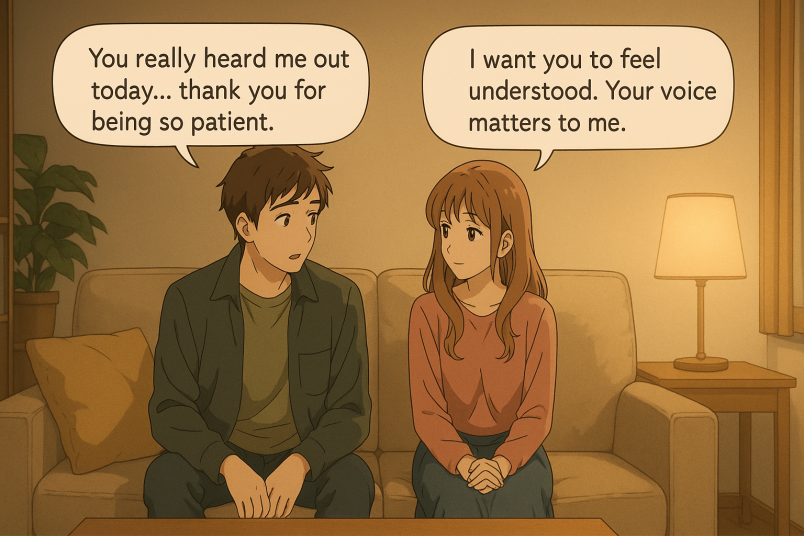
3. Listen to your partner

How to be submissive in a relationship is learning how to listen to your spouse without interrupting.
According to marriage & family therapist Jelisha Gatling:
Note that it’s imperative that your relationship has built a strong sense of mutual trust in order for you to embody your submissive role fully.
Most often, we get too excited to share or oppose our partners’ ideas, and as a result, we don’t listen at all. You will have your own time to talk, but first, submit and listen. It is also a great way to show respect.
Here’s an approach you can consider:
- Maintain eye contact and stay present while they speak.
- Resist the urge to jump in with solutions; let them finish fully.
- Ask gentle follow-up questions to demonstrate your understanding.
RELATED READING : 4 Tips to Be a Better Listener in a Relationship- Why It Matters
4. Show your partner that you trust them
A submissive partner allows themselves to trust wholeheartedly.
It is part of the covenant you have sworn together as a couple. You submit yourself to trusting this person, and your partner should also do the same for you.
Trust is a foundation that will also make you feel secure and loved. It can help you grow, not just as a couple, but as individuals as well.
Here’s an approach you can consider:
- Share your plans openly, rather than keeping things vague or hidden.
- Delegate tasks or decisions you usually control to show confidence in them.
- Avoid suspicion-driven behaviors, like checking their phone or questioning every detail.
RELATED QUIZ : How Much Do You Trust Your Spouse Quiz?
5. Have a strong faith
If you have strong faith, your relationship will thrive.
However, there’s a misconception on this one. You should have a strong faith within you; do not rely on anyone, even your partner, for your spiritual strength.
Each one of you should already have a strong faith. Together, it will be greater and will help you through your trials.
Here’s an approach you can consider:
- Set aside personal quiet time for reflection or prayer.
- Share encouraging words or scriptures with your partner.
- Attend spiritual activities together when possible.
RELATED READING : 21 Reasons Why You Should Believe in Love
6. Allow your partner to provide
Most of us have work, and yes, if you are one independent and strong individual, that’s great.
Your partner is likely aware of this fact as well.
However, a part of submission in a relationship means allowing them to provide. Allow them to prove to you that they can and that they are happy doing it.
Here’s an approach you can consider:
- Accept help without insisting you can “handle it alone.”
- Thank them sincerely when they contribute financially or in a practical way.
- Let them take charge of certain responsibilities without micromanaging.
7. Allow them to take the lead
It’s vital to allow your partner to be in charge.
This actually makes them feel that you trust their judgment and decisions. Aside from that, you will relieve yourself of some of the responsibilities in your marriage.
Your partner will also appreciate that you are allowing them to take the lead, and they’ll make you proud; that’s for sure.
Here’s an approach you can consider:
- Ask them what direction they prefer on joint decisions.
- Let them plan a date or trip without your oversight.
- Support their decisions unless there’s a serious concern.
RELATED READING : How to Lead in a Relationship: 12 Effective Tips
8. Always ask for your partner’s opinion
Understandably, most individuals nowadays are really independent.
They can budget, buy everything the whole family needs, juggle all household chores, take care of their children, and more.
Amazing, right? However, it’s still essential that you sometimes include your partner in these tasks.
For example, before buying a new refrigerator, consider asking your partner for their input. Before you change sofas, ask your partner what they think about it.
Professional counselor and relationship coach Christiana Njoku mentions that:
To show that you cherish your partner and are considerate of their needs, ensure you take their opinions into account.
It doesn’t matter if you are a hundred percent sure they’ll agree with you; it makes them feel important when you ask about their opinion.
Here’s an approach you can consider:
- Consult them before making household or financial changes.
- Offer two or three options and invite them to choose.
- Consider their preferences even when you feel your idea is “better.”
RELATED READING : How Seeing Things From Your Partner’s Perspective Can Boost Your Love
9. Be sensitive to your partner’s needs
One of the great examples of submission in marriage is when you are sensitive to your partner’s needs.
Usually, we prioritize our own needs and wants before those of our spouse or partner. If they also do this, you’re not submitting to the relationship, right?
Combining your partner’s needs and wants may not be easy at first, but if you’re both at a similar level of maturity in love, you’ll likely approach things similarly as well.
Here’s an approach you can consider:
- Ask them regularly how they’re feeling or what they need.
- Adjust your plans when they’re overwhelmed or tired.
- Notice small cues—body language, tone, stress levels—and respond kindly.
RELATED READING : 10 Emotional Needs You Shouldn’t Expect Your Partner to Fulfill
10. Don’t speak negatively of your partner in front of others
If you want to know how to be submissive in a relationship, remember this: refrain from speaking negatively about your spouse, especially through social media and to others.
Understandably, you would have fights, but that’s normal.
What’s not normal is that you would go online and rant. Or you call other people and tell them what you hate about your spouse.
This will never help your relationship. Be discreet. Indeed, you don’t want your partner to talk about you behind your back, right?
You are a team. Ruining your partner’s reputation will also ruin yours.
Here’s an approach you can consider:
- Vent privately in healthy ways—journaling or speaking to a therapist.
- Address concerns directly with your partner instead of outsiders.
- Share positive stories about them with others to build unity.
11. Be intimate with your partner
Sex isn’t just relieving your carnal desires. Sexual submission goes beyond the passion quotient.
It also strengthens your bond. Another way to be submissive in a relationship is to put their pleasure first before yours.
Here’s an approach you can consider:
- Ask what makes them feel most desired or connected to you.
- Initiate intimacy sometimes to show openness and affection.
- Create an environment—clean room, soft lighting, calm mood—for closeness.
RELATED READING : 35+ New Things to Try in the Bedroom With Your Partner
12. Be your partner’s best friend
Submitting to a promise of mutual feelings and respect enables you to grow as a couple and as individuals.
This is where you will realize that you have become best friends. You’re each other’s companion, and you’re on the same page of love, goals, and faith.
Here’s an approach you can consider:
- Spend quality time doing things you both enjoy.
- Celebrate their wins and support them in setbacks.
- Laugh together often and keep your connection playful.
13. Be the peacemaker of your household
A submissive wife will ensure that her home has peace.
Even if there are misunderstandings and problems, someone has to ensure that peace prevails in your relationship and home.
Here’s an approach you can consider:
- Walk away briefly when tempers rise, rather than letting them escalate.
- Suggest solutions instead of focusing on blame.
- Create calming routines—such as quiet dinners, shared chores, and gentle check-ins — to promote a sense of calm.
RELATED READING : 20 Ways to Give Him Space in a Healthy Relationship
14. Maintain your home
What is being submissive in a relationship? Is it that one partner should always be the one to maintain the home all by themselves?
That’s not what we mean. After all, you’re not Cinderella, right?
We are not telling you that you should become a slave in your own home.
Instead, you should take the responsibility and the joy of keeping your house a home. Your partner will also take part in this.
Here’s an approach you can consider:
- Divide tasks based on strengths, not stereotypes.
- Keep shared spaces tidy to support the household’s well-being.
- Create simple routines so the home feels peaceful and welcoming.
15. Allow your partner to have a say in your finances
Even if you have your own money, letting your partner know about your spending is an act of respect. You wanted to buy a luxury bag, and you saved for it. Still, it’s better to let your partner know.
Surely, you would want your partner to do the same with you, right?
Here’s an approach you can consider:
- Share upcoming purchases before making them.
- Review budgets together monthly.
- Be transparent about financial goals and challenges.
RELATED READING : How to Manage Money as a Couple: 13 Practical Ways
16. Be more patient
As a submissive wife or husband, you should strive to bring peace by remaining calm.
For the sake of your love and marriage, learn to be patient and calm. Avoid confrontation when both of you are angry, as this is likely to lead to a more negative outcome. Control your emotions and see how it works.
Here’s an approach you can consider:
- Take slow breaths before responding during heated moments.
- Remind yourself that your partner is not your enemy.
- Delay serious conversations until both of you are calm and composed.
17. Assist your partner
As a submissive partner, let your spouse know that if they ever need anything from you, you’re there. It will make them feel a lot stronger once they know that they can count on you as a partner in life and decisions.
Here’s an approach you can consider:
- Offer help before they have to ask for it.
- Take over a task when you see them struggling to keep up.
- Encourage them with supportive words when they’re uncertain.
RELATED READING : 20 Practical Steps to Becoming a Supportive Partner
18. Be grateful
Another easy way to understand how to be submissive in your relationship is to always be grateful to your partner.
A grateful heart will give you a good life, and that’s true. Focus on this person’s positive traits, efforts, and love.
Here’s an approach you can consider:
- Say “thank you” for even small acts of kindness.
- Keep a list of things you appreciate about them.
- Compliment them daily, even in simple ways.
19. Give your partner privacy
To submit to your partner means allowing them to maintain their privacy.
As marriage mentor Christiana Njoku explains:
Giving your partner time alone shows you value and respect their boundaries, just as you value and respect yours. That alone is what submission is all about.
If we want to keep ours, then our spouse has the right to keep theirs as well. Not only will this make them feel that you trust and respect them, but they will also appreciate the gesture.
Here’s an approach you can consider:
- Avoid checking their phone or personal messages.
- Encourage solo hobbies or time with friends.
- Give space when they need quiet or rest.
Watch this video where Mary Jo Rapini, a psychotherapist, highlights the importance of balancing honesty with personal privacy, clarifies the difference between privacy and secrecy, and reminds viewers that a partner’s secretive behavior is not their fault:

20. Focus on your partner’s positive traits
There will be times when you feel anger, resentment, and even the urge to give up.
When you feel this way, take a moment to remember all the positive traits of the person you love. We all make mistakes, and if we focus on those mistakes, our judgment will be clouded.
Here’s an approach you can consider:
- Write down three things you admire about them.
- Revisit happy memories when emotions run high.
- Compliment the good traits you want to see more of.
21. Practice humility
Practicing humility and letting go of the need to always be in control is an important aspect of being submissive in a relationship. It involves recognizing that your partner’s perspectives, opinions, and decisions are valuable and worthy of consideration.
Here’s an approach you can consider:
- Admit when you’re wrong instead of defending your ego.
- Invite your partner’s perspective before making decisions.
- Let go of perfection and embrace shared solutions.
RELATED READING : How to Be Humble in a Relationship: 15 Charming Ways
FAQs
Being submissive in a relationship can bring its own set of challenges and questions. Here are some commonly asked questions addressing the challenges, misconceptions, self-awareness, communication, and common activities associated with being submissive.
Is being submissive a sign of weakness?
Being submissive is not a sign of weakness; it is a sign of strength. It's a personal choice that requires strength, self-awareness, and a willingness to prioritize your partner's needs while maintaining healthy boundaries and mutual respect.
How do I know if I am submissive?
You may be submissive if you find fulfillment in supporting your partner, prioritizing their desires, and experiencing satisfaction through acts of service, trust, and surrendering control. Self-reflection and open discussions with your partner can help you better understand your preferences.
How can I communicate my desire to be submissive in a relationship to my partner?
Open, honest communication is vital. Share your desires, boundaries, and fantasies with your partner in a non-judgmental and safe environment. Discuss your expectations, listen to their perspective, and work together to establish a dynamic that feels comfortable for both of you.
What are some common submissive examples in a relationship?
Activities can vary based on personal preferences, but common examples include practicing rituals, engaging in power dynamics, exploring BDSM elements (with consent and communication), role-playing, and focusing on acts of service, trust, and pleasure that fulfill both partners' desires. Remember, consent and communication are key in all activities.
Maintaining The Harmony Of Your Relationship
Learning how to be submissive in a relationship isn’t something that happens overnight… and that’s okay. It’s a practice, a quiet daily decision to lead with love instead of defensiveness.
Some days will feel natural; others will take more effort. But every small step matters! The goal was never “perfect submission.” It was always a connection, safety, and a partnership where both people feel seen.
So be patient with yourself. Be honest with your partner. And remember… choosing softness is never a sign of weakness. It’s one of the bravest things you can do.
Helpful?
Share this article on
Sylvia Smith
Author
Sylvia Smith loves to share insights on how couples can revitalize their love lives in and out of the bedroom. As a writer at Marriage.com, she is a big believer in living consciously and encourages couples to adopt this principle... Read more in their lives too. Sylvia believes that every couple can transform their relationship into a happier, healthier one by taking purposeful and wholehearted action. Read less

Marriage.com
Real Voices — From Our Readers & Experts
How do I talk to my partner about something that bothers me without sounding like I’m attacking them? Every time I try, it blows up.
I still mess this up a lot, but I’ve noticed it goes way worse when I bring things up after I’ve been stewing all day. I think I’m calm, but I’m really not. Waiting a bit helps, even though it’s hard to sit with it.
I had to admit to myself that I was being kind of attacking without meaning to. I thought I was “just being honest,” but my tone said otherwise.
Have you navigated this in your own relationship?
Your perspective could help thousands of couples.
Join the conversation →
Your perspective could help thousands of couples.



Recent Articles



Related Quizzes









 We'd love your feedback!
 Thanks for your feedback!
 Expert Q&A
Ask your question related to this topic & get the support you deserve from experts.