




9 Effective Ways to Manage the Effects of Childhood Trauma

By
Owen Kessler, Author
Talented writer Owen simplifies complex topics, focusing on psychology and personal growth. He enjoys camping in scenic mountains, traveling, and embracing diverse cultures.
Learn about Our Editorial Process
100 Reads
Updated: 4 Nov, 2025
Unlock Daily 30-Sec Tips for a Happier Relationship
👉 Subscribe FREEKey Takeaways
Marriage.com AI Quick Summary
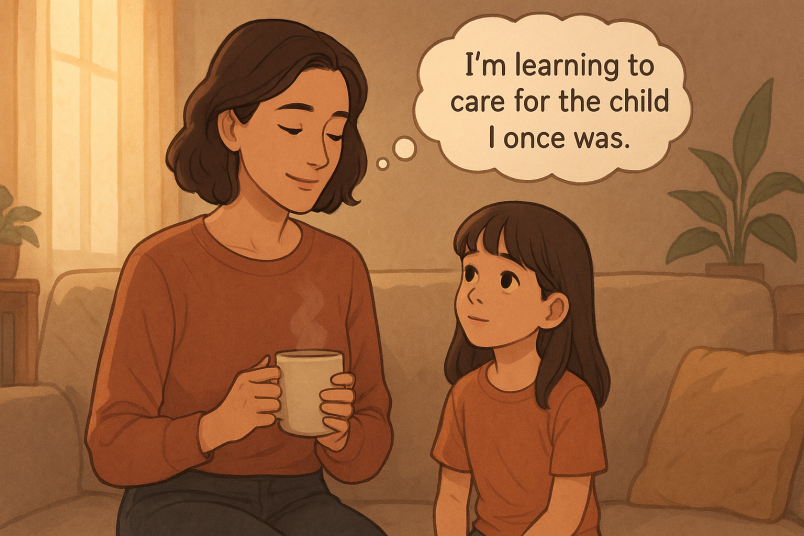
Sometimes, the past leaves quiet echoes that follow us into adulthood — a sudden fear, a lingering doubt, or the feeling of being “not enough.” These moments often trace back to experiences we never fully understood as children.
The effects of childhood trauma can shape how we love, trust, and see ourselves; they can sneak into our relationships and daily routines without us even noticing.
Yet, healing isn’t about erasing what happened — it’s about learning to breathe through the pain, finding gentle strength in the small steps, and slowly reclaiming the peace we once thought was lost.
What is childhood trauma & what are the causes?
Childhood trauma refers to deeply distressing experiences during early years — such as neglect, abuse, loss, or witnessing conflict — that overwhelm a child’s ability to cope.
A research paper published in 2008 states that childhood trauma can cause lasting changes in brain development and stress response, increasing vulnerability to depression, anxiety, and emotional regulation difficulties later in life.
These moments can leave lasting emotional, mental, and even physical imprints that may surface later in life as anxiety, fear, or difficulty trusting others.
Example: Someone who grew up in a home filled with shouting or neglect may struggle to feel safe in close relationships as an adult. They might misinterpret love as control or distance themselves emotionally — showing how childhood trauma effects on marriage and trust can unfold quietly over time.
Please note:
Healing is absolutely possible. With therapy, self-awareness, and compassion, the past doesn’t have to define the future. Each small step toward understanding your story is a victory worth celebrating.
5 types of childhood trauma with long-term effects
Childhood trauma doesn’t always come from one big event — sometimes, it’s a series of painful moments that leave invisible marks. These experiences can shape how we think, feel, and connect with others well into adulthood.
Understanding the most common types can help us make sense of certain emotional patterns and begin healing.
1. Physical abuse
Physical abuse involves causing bodily harm through hitting, slapping, or other forms of violence. Growing up in fear can affect how a person handles anger or conflict later in life. Many survivors develop anxiety, low self-worth, or struggle to feel safe even in calm environments.
- Example: A partner may flinch at raised voices or physical gestures, reflecting how early abuse impacts trust and closeness in marriage.
RELATED READING : What Is Abuse? Understanding What It Is And How To Help
2. Emotional neglect
Emotional neglect happens when a child’s feelings are ignored or invalidated. Even without physical harm, the lack of comfort and attention can lead to emotional emptiness or difficulty expressing feelings as an adult. Over time, this can make forming healthy relationships challenging.
- Example: A person might avoid emotional conversations with their spouse, showing how childhood trauma effects on marriage can appear quietly.
3. Sexual abuse
Sexual abuse during childhood deeply affects self-image, trust, and boundaries. Survivors may carry intense shame or confusion into adulthood. These wounds often interfere with intimacy, leading to emotional distance or fear of vulnerability in relationships.
- Example: A survivor may withdraw from affection, struggling to connect physically or emotionally with a partner.
4. Witnessing domestic violence

Seeing or hearing violence at home teaches a child that love and pain coexist. This experience can create fear of conflict, over-pleasing tendencies, or even repeating similar patterns in adult relationships. The effects of childhood trauma like this can shape how one perceives love and security.
- Example: An adult may tolerate unhealthy dynamics in marriage because chaos feels familiar.
RELATED READING : 20 Actionable Ways for Domestic Violence Prevention
5. Parental substance abuse or mental illness
Growing up with a parent who battles addiction or mental illness often forces a child to take on adult responsibilities too early. They may learn to hide emotions, care for others, or suppress their needs. As adults, these individuals can struggle to set boundaries or trust stability.
- Example: A person may become overly responsible in their relationship, fearing their partner might “fall apart” without them.
What is the impact of childhood trauma on relationships?
The effects of childhood trauma can quietly shape how we connect, trust, and communicate in relationships.
A research paper published in Frontiers in Psychology states that childhood trauma significantly impacts emotional regulation, leading to difficulties in managing stress, forming relationships, and maintaining overall mental well-being in adulthood.
Past pain often resurfaces as fear of abandonment, emotional distance, or overdependence, making it harder to build the deep, secure bonds we truly long for.
RELATED READING : How Childhood Trauma Affects Relationships: 7 Ways & How to Deal
1. Communication difficulties
Childhood trauma can prevent the individual from understanding healthy communication patterns and how they can be applied. They might struggle to express their emotions, which can cause long-standing conflicts in marriage.
RELATED READING : How a Lack of Communication in Marriage Can Affect Relationships
2. Trust issues
Trauma can erode trust, making it difficult for survivors to trust their partners fully. Past betrayal or abandonment can make it difficult to form deep emotional connections.
RELATED READING : How to Fix Trust Issues and Rebuild Your Relationship
3. Emotional regulation
Childhood trauma may disrupt emotional regulation, causing intense mood swings or emotional shutdown. These fluctuations can strain a marriage and prevent effective problem-solving.
4. Attachment styles
Childhood trauma is largely responsible for attachment styles, leading to anxious, avoidant, or disorganized attachment patterns. These patterns may influence how partners relate to each other and manage stress.
5. Intimacy challenges
Survivors may struggle with intimacy, finding it difficult to be vulnerable with their spouses. This can cause feelings of isolation and disconnection.
6. Reactivity and triggers
Unresolved trauma can cause hypersensitivity to certain triggers, causing reactive responses that impact marital interactions.
7. Parenting differences
Childhood trauma can influence parenting styles and beliefs, potentially leading to disagreements on how to raise children.
RELATED READING : 10 Effective Strategies for Raising Independent Children
9 effective strategies to overcome the effects of childhood trauma
The effects of childhood trauma can feel overwhelming, but healing is absolutely possible. With patience, self-awareness, and the right strategies, you can gently untangle old wounds, rebuild trust, and create a calmer, more fulfilling emotional life.
1. Seek support
The journey of overcoming childhood trauma does not need to be traversed alone. Reach out to trusted friends, family members, or professionals who can provide the emotional support you need.
-
- Why it helps: Surrounding yourself with a supportive network can aid in alleviating feelings of isolation and create a sense of belonging, reinforcing the understanding that your past experiences do not define you.
- How to start: Reach out to one trusted person this week and share a small piece of what you’re feeling. Opening up is the first step toward healing.
RELATED READING : 15 Ways to Improve Emotional Support in Your Relationship
2. Practice self-care
Prioritizing self-care activities is crucial in nurturing physical and emotional well-being. Engaging in regular exercise, mindfulness meditation, and pursuing hobbies you’re passionate about can provide a vital outlet for stress and anxiety.
- Why it helps: Commitment to self-care can improve your overall health and reinforce the message that you deserve kindness and nurturing, helping to counteract any negative beliefs stemming from childhood trauma.
- How to start: Choose one self-care activity — like journaling or a short daily walk — and schedule it into your routine for the next week.
3. Attend therapy
Trauma-informed therapy plays a pivotal role in the healing process. By working with a therapist, you can navigate the difficult emotions and memories associated with ACEs in a safe and supportive environment.
- Why it helps: It helps to process your experiences, manage triggers, and develop healthy coping mechanisms that empower you to regain control over your emotions and life.
- How to start: Research local or online therapists who specialize in trauma recovery and schedule an initial consultation to explore your comfort level.
4. Develop coping strategies
Learning healthy coping strategies is essential for effectively managing challenges and triggers that may arise due to childhood trauma. These strategies might include deep breathing exercises, grounding techniques, journaling, or engaging in creative outlets.
- Why it helps: Building a toolbox of coping mechanisms equips you to respond to challenging situations constructively and resiliently, fostering emotional strength.
- How to start: Try one grounding exercise today — like naming five things you can see — whenever you feel overwhelmed or anxious.
RELATED READING : Effective Stress Management Strategies for a Healthy Relationship
5. Set boundaries
Establishing healthy boundaries is a crucial aspect of protecting yourself from further harm. This involves recognizing your limits and communicating them assertively to others.
- Why it helps: Boundaries prevent retraumatization by ensuring you’re not subjected to situations that could trigger distress or compromise your well-being. Learning to say no and advocating for your needs empowers you to maintain control over your life.
- How to start: Identify one area in your life where you often feel drained and practice saying “no” kindly but firmly next time.
RELATED READING : Setting Healthy Boundaries in a Relationship
6. Focus on strengths
Shifting your focus toward your strengths and innate abilities can enable you to build a strong foundation for resilience. Acknowledge the qualities that have helped you navigate adversity and celebrate your accomplishments, no matter how small they may seem.
- Why it helps: By seeking this positive reframing, you can cultivate a sense of self-efficacy, reinforcing your capacity to overcome challenges and create a more fulfilling future.
- How to start: Write down three personal strengths or past challenges you’ve overcome to remind yourself of your resilience.
7. Forgive yourself
Practicing self-compassion is an integral part of healing from ACEs. Recognizing that the blame for these experiences does not rest solely on your shoulders is essential.
- Why it helps: Self-forgiveness can allow you to embrace your journey toward resilience with an open heart and a renewed sense of purpose.
- How to start: Each night, repeat one gentle affirmation like, “I’m learning to let go and forgive myself for what wasn’t my fault.”
Watch this TED Talk by Josh Galarza, a motivational speaker, who shares how self-forgiveness transformed his pain into healing and personal freedom.

8. Build healthy relationships
Healing also means learning to form relationships that feel safe, respectful, and emotionally balanced. Surround yourself with people who value your boundaries and make you feel seen and heard. Positive relationships can help replace patterns of fear and mistrust with stability and love.
- Why it helps: Safe connections help rewire the brain’s sense of trust, easing isolation and improving emotional regulation.
- How to start: Notice how you feel around others — spend more time with those who uplift you and less with those who drain your energy,
9. Practice mindfulness and gratitude
Mindfulness helps bring awareness to the present moment, reducing anxiety linked to past trauma. Gratitude shifts your focus from what’s missing to what’s meaningful, helping you reconnect with calm and joy. Together, they create a powerful foundation for emotional recovery.
- Why it helps: Mindfulness reduces stress and rewires the brain to focus on safety and appreciation instead of fear and survival.
- How to start: Each morning, take two minutes to breathe deeply and note three things you’re grateful for — no matter how small.
FAQ
Healing from childhood trauma often brings up important questions about emotions, progress, and self-growth. Here are a few clear, compassionate answers to guide your understanding of the healing process.
- Can you fully heal from childhood trauma?
Yes, healing is possible. While the memories may stay, therapy, emotional awareness, and supportive relationships can help you release the pain and build a healthier, more peaceful life.
-
How long does it take to recover from childhood trauma?
There’s no set timeline. Healing varies for everyone and depends on factors like the severity of trauma, consistency in self-work, and access to professional or emotional support.
-
What are the signs you’re healing from childhood trauma?
You may notice calmer reactions, improved boundaries, better emotional control, and more self-compassion. Feeling lighter, less triggered, and more connected are also strong signs of progress.
Healing takes time
Overcoming the effects of childhood trauma is not about forgetting the past but learning to live peacefully with it. Healing unfolds gradually — through compassion, self-awareness, and consistent effort.
Each step you take, no matter how small, helps rebuild trust in yourself and others. Remember, recovery isn’t linear; some days will be harder than others.
But with patience, support, and hope, you can move from merely surviving to truly thriving — creating a life that feels safe, balanced, and emotionally free.
Did you find this article helpful?

 Tips
Tips
Write your tip or submit a video tip
All tips are reviewed before the publishing.
You are:

 >
>
Share this article on
Owen Kessler
Author
Owen Kessler is a talented writer with a knack for making complex topics easy to understand. He has a particular interest in psychology and personal growth, and his writing is known for its insightful commentary on these subjects.... Read more When he’s not writing, Owen enjoys spending time camping in the beautiful mountains and forests that surround his home. He also loves to travel and has a deep appreciation for the diversity of cultures he encounters on his journeys. Read less
Want to have a happier, healthier marriage?
If you feel disconnected or frustrated about the state of your marriage but want to avoid separation and/or divorce, the marriage.com course meant for married couples is an excellent resource to help you overcome the most challenging aspects of being married.


Recent Articles


Related Quizzes









Unlock Daily 30-Sec Tips for a Happier, Healthier Relationship
👉 Subscribe FREE on YouTube
 We'd love your feedback!
 Thanks for your feedback!
 Expert Q&A
Ask your question related to this topic & get the support you deserve from experts.